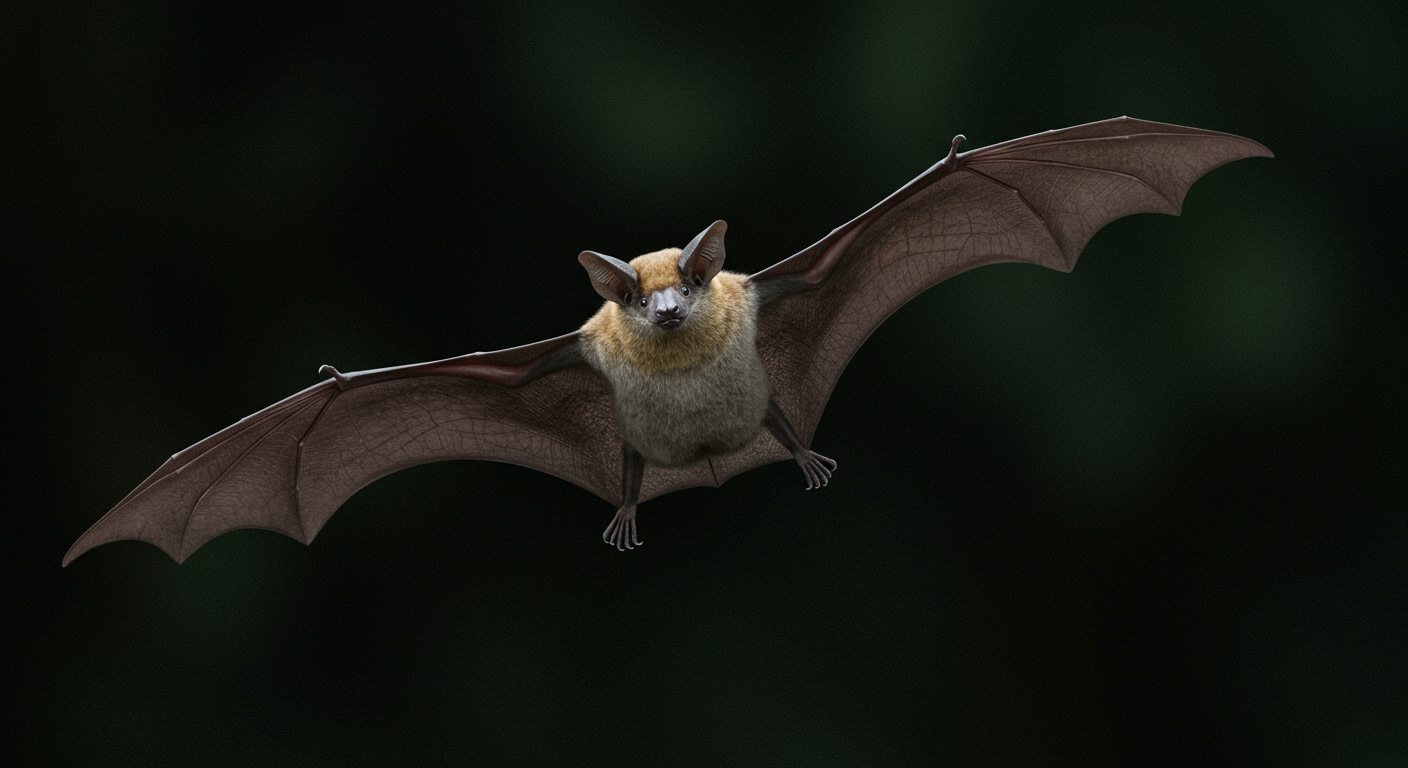
Researchers have identified six new species of tube-nosed bats within the protected forests of the Philippines, a significant addition to the archipelago’s already impressive biodiversity. The discovery, made by a team from the Royal Ontario Museum (ROM), the Field Museum in Chicago, and Lawrence University in Wisconsin, underscores how much remains unknown about the planet’s mammalian diversity, even in well-studied areas.
The six new species all belong to the genus Murina, commonly known as tube-nosed bats. This finding dramatically revises the understanding of this group in the region; before this research, only two species of tube-nosed bats were thought to inhabit the Philippines. Through detailed analysis, the scientists confirmed that one of those previously recorded species was not actually present in the country, but five other new species were “masquerading as it,” according to Dr. Burton Lim, an Assistant Curator of Mammals at ROM. This work increases the number of known bat species in the Philippines from 79 to a new total, highlighting the nation’s role as a critical hotspot for biodiversity.
Unraveling a Case of Mistaken Identity
The discovery was the culmination of a long-term research effort to understand the true diversity of Philippine bats. For years, scientists had records of only two species of tube-nosed bats in the country. However, the international team of mammalogists suspected that the anatomical and geographical variations among collected specimens pointed to a more complex story. Their investigation confirmed the presence of one of the two previously reported species and also identified a closely related, previously unknown species.
The most surprising finding was that the second of the originally reported species was not found in the Philippines at all. Instead, the specimens that had been attributed to it actually represented five distinct, undescribed species. “I’m astonished at how much we still don’t know about the natural world, such as how many bat species there are,” Dr. Lim stated. This re-evaluation demonstrates the importance of museum collections and persistent scientific inquiry in correcting the record and revealing hidden biodiversity.
Advanced Methods of Identification
To definitively identify the new species, the researchers employed a combination of traditional morphological analysis and modern genetic sequencing. The team conducted careful comparisons of physical characteristics, including intricate tooth patterns, skull shapes, and variations in fur coloration. These anatomical studies were performed using the extensive bat collection at the Royal Ontario Museum, which is one of the largest in the world and contains a vast array of specimens preserved in different ways.
These physical examinations were complemented by genetic analysis conducted at the ROM’s Laboratory of Molecular Systematics. By sequencing the DNA of the bats, the scientists could establish clear genetic distinctions between the new species and their known relatives in Southeast Asia. The genetic data provided concrete evidence that these were not just regional variations but entirely new species. The findings, which passed peer review, were published in the international journal of animal taxonomy, Zootaxa, with the corresponding genetic data archived in the public database GenBank for other researchers to access.
Meet the New Species
The six newly named species of tube-nosed bats are Murina alvarezi, Murina baletei, Murina hilonghilong, Murina luzonensis, Murina mindorensis, and Murina philippinensis. Each name connects the species to the unique geography or influential figures associated with Philippine biodiversity. Most of the new species are allopatric, meaning their habitats do not overlap. This geographical separation likely contributed to their evolution into distinct species. An exception was found on the island of Mindanao, where the smallest and largest of the new species coexist.
The genus Murina is characterized by the distinctive tube-like shape of its nostrils, the function of which is not fully understood but may be related to echolocation or smell. These bats are generally found in forested habitats, where they play a key ecological role. The discovery of six endemic species in the Philippines suggests that the archipelago’s complex island geography has been a powerful engine for speciation within this group.
Ecological Significance and Vulnerability
The Role of Bats in Forest Health
Bats are vital to the health of ecosystems on every continent except Antarctica. They perform crucial functions that benefit both natural environments and human economies, including the control of insect populations, the pollination of plants, and the dispersal of seeds. The tube-nosed bats of Asia, including these newly discovered Philippine species, are particularly dependent on forest habitats to survive.
Threats from Deforestation
This reliance on forests makes them especially vulnerable to deforestation. The Philippines is a global biodiversity hotspot, but it has also experienced significant habitat loss. The nation’s original forest cover has been drastically reduced over the last century, with less than 10% of the original lowland forest remaining. This ongoing threat of deforestation puts immense pressure on forest-specialist species like the tube-nosed bats, making the protection of remaining forest ecosystems a critical conservation priority.
Implications for Global Biodiversity
This research highlights the vast gaps that still exist in our knowledge of the natural world. “It has been a long and slow process of discovery, but these six previously unknown species show clearly just how wonderfully extensive Philippine biodiversity is,” said Dr. Lawrence Heaney of the Field Museum. The discovery emphasizes that even in the 21st century, foundational work in taxonomy and field biology is essential for uncovering and documenting life on Earth.
Dr. Judith Eger, Curator Emeritus of Mammals at ROM, noted the broader importance of such work. “This latest research serves to illustrate how much remains unknown about the countless species with which we coexist,” she said. “Expanding our knowledge of biodiversity is essential to understanding and managing our environment on behalf of humanity and the other species on which the vitality of our planet depends.” The identification of these six bats serves as a timely reminder of the rich, hidden biodiversity that protected forests still hold and the urgent need to conserve these habitats before more species are lost.