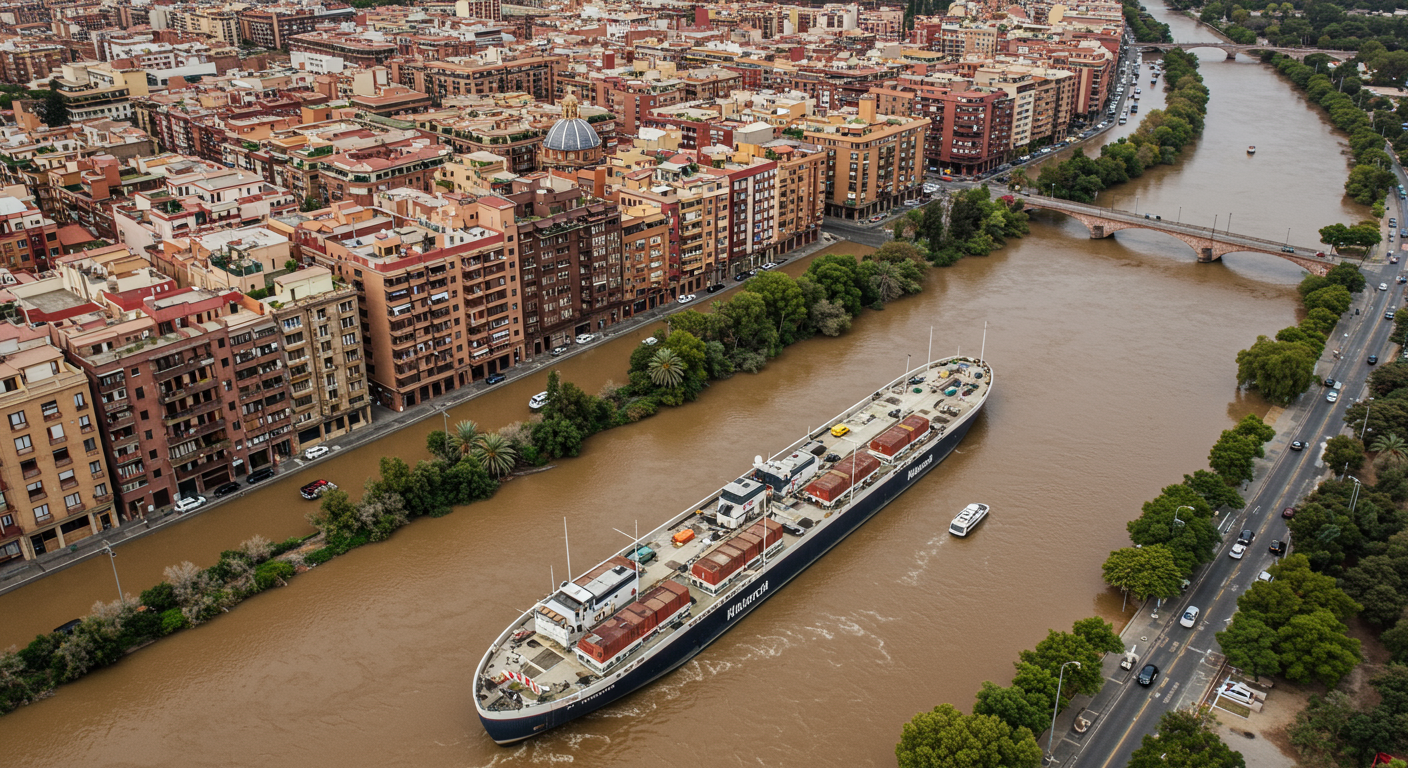
A comprehensive analysis of the catastrophic floods that struck the Valencia region in late October 2024 reveals a devastating convergence of an extreme weather event and critical failures in urban planning. Scientific and technical assessments following the disaster underscore that while the torrential rains were historic in their intensity, the scale of the tragedy was a direct consequence of human actions, including widespread urbanization in natural floodplains and infrastructure that exacerbated the water’s destructive power. The findings serve as a stark warning and a roadmap for preventing similar tragedies in the future, emphasizing a need to rethink land use and bolster resilience in the face of a changing climate.
The event, triggered by a meteorological phenomenon known as a DANA, or an isolated high-altitude depression, unleashed rainfall equivalent to a year’s worth in just a few hours, overwhelming rivers and drainage systems. This analysis, supported by multiple research institutions, moves beyond attributing the disaster solely to nature, focusing instead on the systemic vulnerabilities created by decades of development. By examining the interplay between the storm’s mechanics and the region’s altered landscape, experts have outlined crucial lessons for governance, infrastructure, and public awareness, aiming to empower society and hold administrations accountable for implementing preventative measures. The scientific consensus points to an urgent need for strategies that work with nature, not against it, to mitigate the impacts of increasingly frequent and intense weather events.
Anatomy of a Meteorological Catastrophe
The immediate trigger for the historic flooding was a weather system known in Spain as a DANA, or “gota fría,” which translates to “cold drop.” This occurs when a pocket of very cold air at high altitudes breaks off from the main jet stream, settling over a region. In this case, the DANA became quasi-stationary over the Iberian Peninsula, creating a perfect storm for extreme precipitation. The system drew in vast amounts of moisture from an unusually warm Mediterranean Sea, which had recorded anomalously high temperatures in the preceding months, essentially supercharging the storm.
The result was rainfall of extraordinary intensity. On Oct. 29, 2024, some inland areas of the Valencia province, such as the municipalities between Utiel and Chiva, recorded more than 300 millimeters of rain in just four hours. In other locations, the accumulation over an eight-hour period exceeded the average rainfall for an entire year. Meteorologists have classified this as a greater than 1-in-1,000-year event based on rainfall intensity-duration-frequency curves. This immense volume of water rapidly overwhelmed the region’s river basins, particularly the Magro and Turia rivers and the Poyo ravine, which could not contain the flow.
The Role of Climate Change
Experts widely agree that climate change played a significant role in amplifying the severity of this DANA event. A warmer atmosphere can hold more moisture, leading to more intense downpours. The elevated temperatures of the Mediterranean Sea are a direct consequence of a warming climate and provided the extra fuel for this storm. While there is still some scientific uncertainty on whether climate change affects the frequency of DANA events, there is strong consensus that it is making them more powerful and destructive when they do occur. The Valencia flood is thus seen as a clear example of how climate change is loading the dice for more extreme weather events in the Mediterranean basin.
Human Fingerprints on a Natural Disaster
While the DANA provided the water, scientific analysis has firmly concluded that human activity was responsible for the catastrophic scale of the damage. The core of the problem lies in decades of urban and agricultural expansion into floodplains, the flat areas adjacent to rivers that naturally accommodate excess water during high-flow events. By building homes, businesses, and infrastructure in these high-risk zones, the population’s exposure and vulnerability were dramatically increased.
Urbanization has also made the land itself less capable of absorbing water. Impermeable surfaces like asphalt and concrete prevent rainwater from soaking into the ground, transforming it into rapid runoff that rushes into drainage systems and rivers. The construction of subterranean garages and basements within alluvial plains further displaced groundwater, pushing more of the floodwaters to the surface and exacerbating the inundation. The region’s geography, characterized by steep streams, also naturally promotes rapid runoff, a trait that was dangerously amplified by the urbanized landscape.
Infrastructure and Sediment Aggravate the Damage
The design and placement of infrastructure also played a critical role in worsening the floods. Many bridges, roads, and railways were found to be poorly dimensioned or improperly located, acting as dams that altered water flows and aggravated flooding in specific areas. These obstructions caused water to back up and find new, often more destructive, paths through populated areas.
A particularly destructive feature of this event was the high sediment load carried by the floodwaters. This mud-laden water was a result of soil erosion in the river basins, which in some cases has been increased by deforestation and land degradation. The floodwaters also picked up debris, including invasive plant species like reeds, vehicles, and household goods, which increased the volume and destructive capacity of the flows, turning them into a thick, abrasive slurry that coated everything it touched.
Assessing the Widespread Devastation
The socio-economic impacts of the October 2024 floods were staggering. As of early November 2024, the event had caused more than 217 fatalities, with many more people reported missing. The floods directly affected an estimated 90,000 residents across an inundated area of approximately 199 square kilometers. The most severely impacted communities were the peri-urban municipalities south of Valencia, where floodwaters surged into densely populated neighborhoods.
Damage to property and critical infrastructure was extensive. Satellite analysis, using data from Sentinel and Landsat systems, provided a comprehensive overview of the flood’s extent and impact. This remote sensing technology was crucial in the immediate aftermath for assessing the damage to transportation networks, including roads, railways, and bridges, as well as to public buildings like hospitals and schools. The cost of repairs to this critical infrastructure was estimated to be in the billions of euros. The agricultural sector also suffered heavy losses, with vast tracts of farmland submerged and contaminated by the floodwaters.
A Blueprint for Future Resilience
In the wake of the disaster, a consensus has emerged among scientists and disaster management experts on the need for a fundamental shift in how flood risk is managed. The analysis of what went wrong in Valencia provides a clear set of lessons for preventing future tragedies. A primary recommendation is to halt urban development in flood-prone areas and, where possible, to restore natural floodplains. These areas can act as natural sponges, absorbing and storing excess water and dissipating its energy.
Harnessing Technology and Nature-Based Solutions
The successful use of satellite technology in assessing the flood’s impact highlights the critical role of advanced tools in modern disaster management. Experts are calling for the integration of remote sensing technologies into early warning systems to provide more accurate and timely alerts to vulnerable populations. Such systems, combined with better public education and emergency preparedness plans, can significantly reduce the human cost of future floods.
Alongside technological solutions, there is a strong push for the adoption of nature-based solutions. This includes reforestation efforts to reduce soil erosion, the restoration of wetlands that can act as natural buffers, and the removal of invasive species from riverbeds. These approaches not only mitigate flood risk but also enhance biodiversity and ecological resilience. Ultimately, the analysis of the Valencia flood is a call to action for governments and communities to embrace a more integrated and forward-looking approach to risk reduction, one that respects the power of nature and acknowledges the vulnerabilities created by human development.