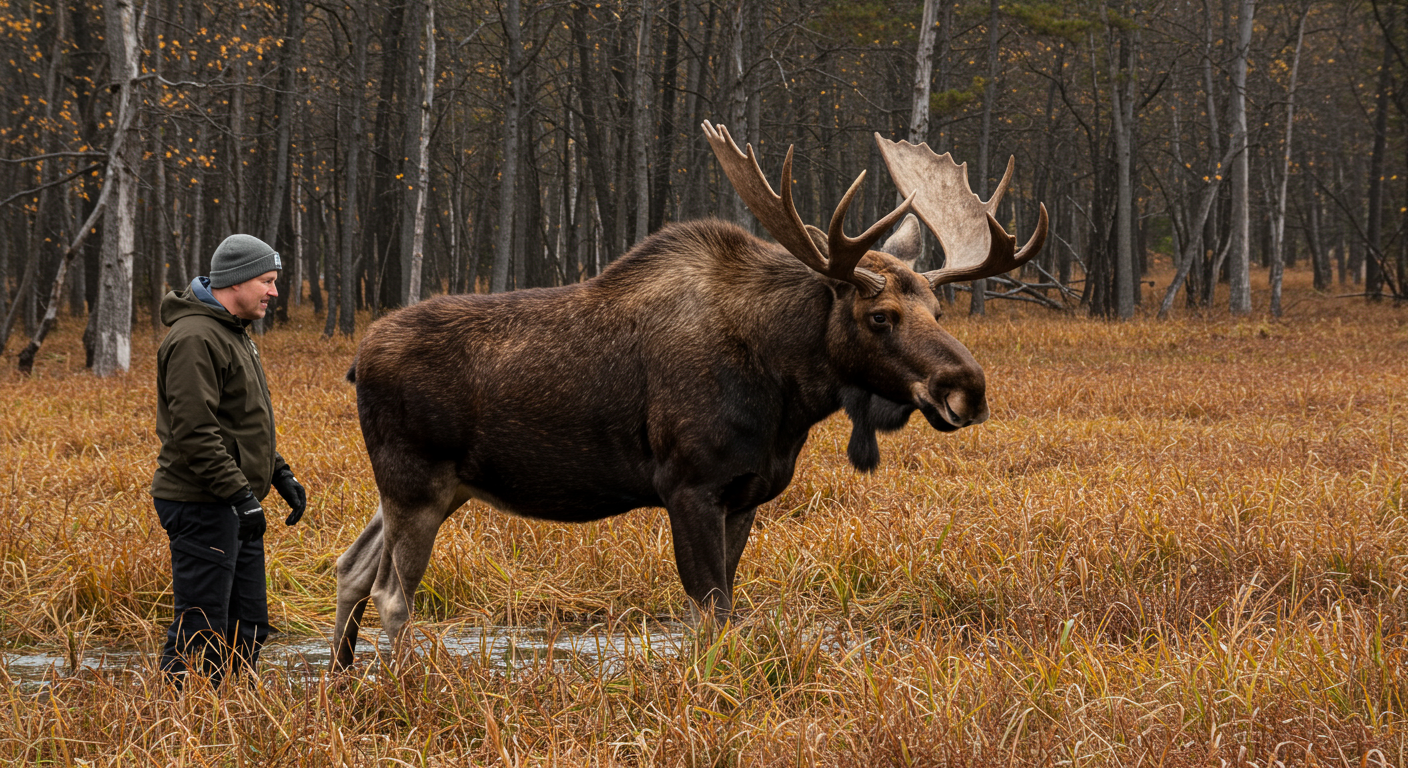
A researcher is delving into the complex factors driving the long-term decline of Minnesota’s moose population, a trend that has seen the state’s largest wild animal vanish from its former northwestern range and dwindle in the northeast. The investigation seeks to untangle the web of causes, including climate change, disease, and predation, that have contributed to a nearly 60% drop in the northeastern moose population since its peak in 2006.
The study, which builds on years of tracking and data collection by state and tribal biologists, aims to provide a more comprehensive understanding of the mortality puzzle. By examining environmental data, physiological stressors, and the intricate relationship between moose, wolves, and deer, the research hopes to inform more effective conservation strategies. The stakes are high, as the continued decline of this iconic species could have cascading effects on the ecosystem and regional identity of northern Minnesota.
A Deep Dive into Mortality Factors
The investigation focuses on several key areas of moose mortality that have been identified in previous studies. The research will analyze the impact of parasites, the health of adult moose, and the survival rates of calves. A significant portion of the work will involve scrutinizing the data from radio-collared moose to understand when and why they are dying. This includes looking at everything from the impact of winter ticks to the prevalence of brainworm, a parasite carried by white-tailed deer that is lethal to moose.
The Role of Climate Change
One of the primary drivers of moose decline is believed to be climate change. Warmer winters are allowing pests like winter ticks to thrive and attach to moose in greater numbers, leading to significant blood loss and weakening the animals. Hotter summers also cause heat stress in moose, forcing them to spend more time in the water and less time foraging, which can lead to malnutrition. The research will examine long-term temperature and snow depth data to correlate with moose mortality rates.
Predation and a Changing Landscape
The study will also investigate the role of predators, particularly wolves, in the moose decline. While wolves are the primary natural predator of moose, the changing landscape has altered the predator-prey dynamic. A warmer climate has allowed white-tailed deer to move into moose territory, and the increased deer population has supported a larger wolf population. This has put additional predatory pressure on the already struggling moose population.
New Tools and Techniques
The researcher is employing a variety of modern techniques to gain a more detailed picture of the situation. This includes the use of GPS collars that can send mortality signals, allowing researchers to quickly locate and examine the cause of death. They are also using advanced laboratory techniques to analyze blood and tissue samples for signs of disease and malnutrition. Additionally, the study will incorporate remote sensing data to assess changes in the moose habitat, such as the availability of food and cover.
Collaboration and Conservation Efforts
The research is being conducted in close collaboration with the Minnesota Department of Natural Resources and tribal wildlife managers, who have been monitoring the moose population for decades. This partnership is crucial for sharing data and expertise, and for developing conservation strategies that can be implemented on the ground. The ultimate goal of the research is to provide science-based guidance for managing the moose population and its habitat.
Looking for Clues in the Blood
A key component of the study involves a detailed analysis of blood samples collected from captured and collared moose. Researchers will be looking for a wide range of health indicators, from nutrient levels and stress hormones to the presence of antibodies that could indicate exposure to various diseases. This “blood work” can provide a snapshot of the health of individual moose and the overall population, and help to identify the specific stressors that are having the biggest impact.
The Bigger Picture and Future Outlook
Understanding the decline of Minnesota’s moose is not just about saving a single species. The moose is an important part of the state’s natural heritage and a key indicator of the health of the boreal forest ecosystem. The findings of this research will have implications for wildlife management across the region, as other states and Canadian provinces are also grappling with declining moose populations. The hope is that a better understanding of the causes of the decline will lead to new strategies for preserving this iconic species for future generations.
What This Means for Minnesota
The loss of the moose would be a significant blow to the state’s biodiversity and to the many communities that have a cultural and economic connection to the animal. The research represents a critical effort to prevent that from happening. While the challenges are significant, the ongoing investigation provides hope that a combination of scientific research and collaborative management can help to turn the tide for Minnesota’s moose. The findings will be essential for guiding future conservation decisions, from habitat restoration projects to potential changes in hunting regulations for other species that share the moose’s environment.