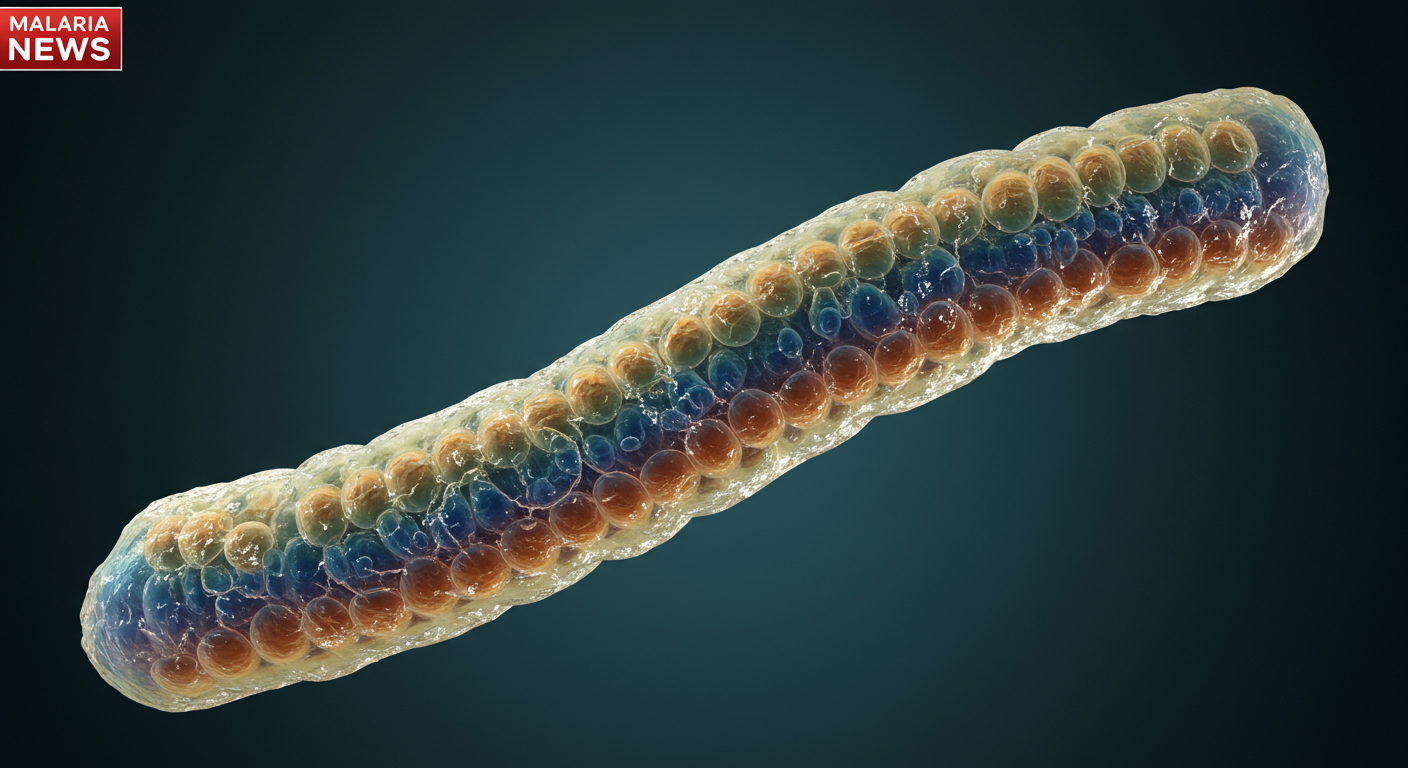
Researchers are using advanced physics tools, traditionally employed to study the fundamental nature of the universe, to unravel the microscopic secrets of everyday culinary challenges. From the structural integrity of a single strand of spaghetti to the complex emulsion of a cheese sauce, scientists are delving into the hidden world of pasta with unprecedented detail. These investigations are leading to new insights into why pasta behaves the way it does in boiling water and how to achieve perfect results every time.
A recent study published in the journal Food Hydrocolloids utilized particle accelerators and neutron facilities to examine the cooking process of spaghetti at a microscopic level. The research, led by Dr. Andrea Scotti at Lund University, focused on how salt in the cooking water affects the pasta’s structure. The findings reveal that salt plays a much more critical role than simply adding flavor; it is essential for preserving the pasta’s texture and preventing it from becoming mushy. This new understanding could revolutionize not only home cooking but also the development of new and improved pasta products, particularly in the gluten-free category.
The Role of Salt and Gluten
The research team discovered that the amount of salt in the cooking water has a direct impact on the pasta’s structural integrity. By using powerful neutron beams to visualize the pasta’s interior as it cooked, they observed that salt shields the starch granules within the pasta, preventing them from swelling too much and leaching out into the water. This, in turn, helps the gluten network to maintain its shape, resulting in a firmer, more “al dente” texture. The ideal amount of salt, according to the study, is 7 grams per liter of water, which is significantly more than the “pinch” that many home cooks use.
Gluten, a protein found in wheat, forms a matrix that traps starch granules. This structure is key to pasta’s ability to hold its shape during cooking. The study confirmed that regular pasta has a more robust structure than gluten-free varieties, which lack this protein network. This is why gluten-free pasta is more prone to falling apart, especially if overcooked or cooked in heavily salted water. The researchers hope their findings will aid in the development of gluten-free pastas that more closely mimic the texture and resilience of traditional pasta.
Deconstructing a Classic Roman Dish
In a separate but related line of inquiry, another team of scientists turned their attention to a classic Italian dish that is notoriously difficult to perfect: cacio e pepe. This simple sauce, made from pasta water, Pecorino Romano cheese, and black pepper, often ends in a clumpy mess rather than a creamy emulsion. The researchers, in a study that involved consuming a significant amount of cheese, analyzed the physics of the sauce to develop a foolproof method. Their findings highlight the importance of starch concentration and temperature control in creating a smooth, stable sauce.
The Science of a Smooth Sauce
The key to a creamy cacio e pepe, the researchers found, is to manage the behavior of cheese proteins. When heated, these proteins tend to clump together. However, starch molecules can interfere with this process by binding to the proteins, preventing them from aggregating. The problem is that the starchy water left over from cooking pasta often has an inconsistent amount of starch. To solve this, the scientists recommend creating a separate starch solution with a precise concentration—between 2% and 3% by weight—to ensure a reliably smooth sauce.
Temperature is the other critical factor. The study advises letting the pasta and the starch water cool slightly before adding the cheese. This prevents the cheese proteins from destabilizing due to excessive heat. By carefully controlling both the starch content and the temperature, it is possible to create a perfect cacio e pepe sauce every time, even in large quantities. While a traditional Italian grandmother might rely on years of experience, this scientific approach offers a reliable method for the rest of us.
Practical Applications for the Home Cook
These scientific investigations into the world of pasta have yielded several practical tips for home cooks. For one, don’t be shy with the salt in your pasta water. A generous amount will not only flavor the pasta but also improve its texture. For those who enjoy gluten-free pasta, be particularly careful not to overcook it, as its structure is inherently more fragile.
When making a dish like cacio e pepe, consider using a small amount of cornstarch or powdered starch to create a slurry rather than relying solely on the pasta water. This will give you more control over the sauce’s consistency. And remember to let things cool down a bit before adding the cheese to prevent clumping. Finally, in a surprising twist, some fitness experts suggest that allowing cooked pasta to cool before eating it can be beneficial. As the pasta cools, some of its starch is converted into resistant starch, which is digested more slowly and can help you feel full longer.