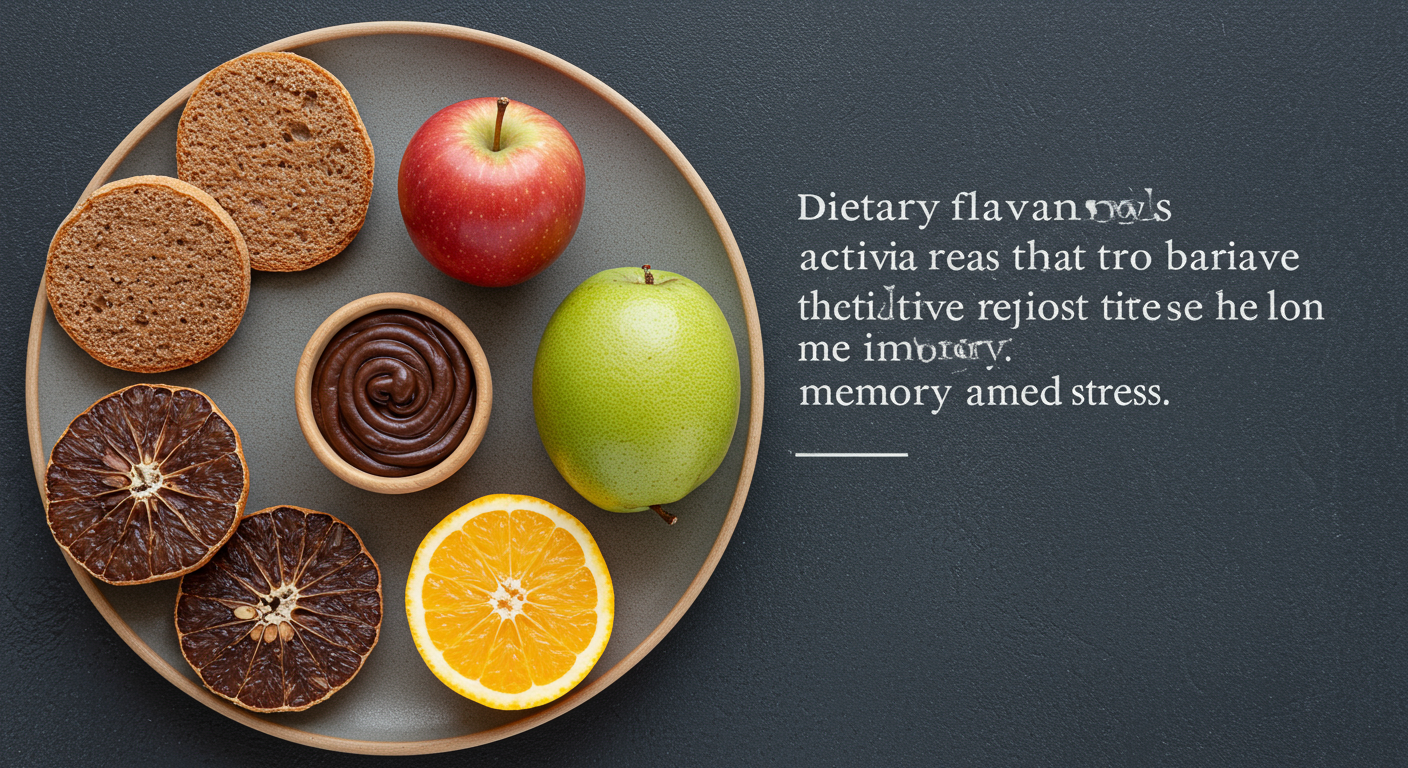
New research reveals that the regular consumption of dietary flavanols—naturally occurring compounds in foods like cocoa, tea, and berries—can activate specific regions of the brain associated with memory formation and the regulation of stress. The findings provide a more detailed neural map of how these plant-based molecules may enhance cognitive function and emotional resilience, suggesting a direct link between diet and the brain’s ability to handle demanding mental tasks.
The study utilized advanced neuroimaging techniques to observe real-time changes in brain activity after participants consumed a flavanol-rich substance. Scientists identified increased blood flow and oxygenation in the hippocampus, a region critical for learning and memory, as well as modulated activity in the prefrontal cortex and amygdala, which are central to processing stress and emotion. This dual action points to a potential mechanism by which flavanols could simultaneously sharpen the mind and buffer it against the negative effects of stress, offering a promising avenue for dietary interventions aimed at improving overall brain health.
Unlocking the Brain’s Vascular Pathways
The primary mechanism through which flavanols appear to exert their influence is by enhancing cerebral blood flow. These bioactive compounds are known to promote the production of nitric oxide, a molecule that helps relax and widen blood vessels. Improved vascular function allows for a greater delivery of oxygen and essential nutrients to metabolically active brain cells. When neurons are tasked with complex cognitive processes, such as encoding new memories or managing emotional responses, they require a surge in energy. The increased circulatory efficiency spurred by flavanols ensures that these critical brain regions are adequately supplied to meet the heightened demand.
This vascular benefit is not just a temporary boost. Chronic dietary intake of flavanols may lead to more sustained improvements in neurovascular coupling—the process that links neural activity with a corresponding change in blood flow. By maintaining the health and flexibility of the brain’s vast network of blood vessels, flavanols may help protect against age-related cognitive decline and vascular-related brain conditions. The study’s findings build upon a growing body of evidence that connects cardiovascular health directly to cognitive longevity, framing dietary choices as a key pillar of brain maintenance.
Advanced Neuroimaging Reveals a Neural Signature
To map the precise effects of flavanols on the brain, researchers employed functional magnetic resonance imaging (fMRI), a non-invasive technology that measures brain activity by detecting changes in blood flow. This technique allowed the scientific team to pinpoint which neural networks were most affected by the dietary intervention.
Methodology and Participants
In a controlled, double-blind study design, participants were randomly assigned to receive either a high-flavanol supplement or a nutrient-matched placebo. Before and after the intervention period, their brains were scanned using fMRI while they performed a series of cognitive tasks designed to challenge their memory and induce a mild level of psychological stress. This rigorous methodology helps ensure that the observed differences in brain activity can be attributed to the flavanols themselves, rather than other external factors or participant expectations. The use of a placebo group provides a critical baseline for comparison, strengthening the validity of the results.
Activation in Key Cognitive and Emotional Hubs
The fMRI scans revealed a distinct pattern of activation. In participants who consumed the high-flavanol beverage, there was a significant increase in activity within the dentate gyrus, a sub-region of the hippocampus that plays a central role in forming new episodic memories. Simultaneously, the researchers observed changes in the functional connectivity between the prefrontal cortex and the amygdala. This particular circuit is vital for top-down emotional control, where the more rational prefrontal cortex can temper fear and anxiety signals originating from the amygdala. The enhanced connectivity suggests a more robust ability to regulate emotional responses to stressors.
The Interplay of Memory and Stress Regulation
The finding that flavanols influence brain regions governing both memory and stress is particularly significant because these two functions are deeply intertwined. It is well-established that chronic stress can impair memory by elevating levels of the hormone cortisol, which can damage neurons in the hippocampus over time. Conversely, a brain that is efficient at processing and storing information may be better equipped to contextualize and manage stressors, preventing an overblown emotional response.
The study suggests that flavanols may help break the negative feedback loop between stress and cognitive impairment. By bolstering the function of the hippocampus, these compounds could enhance the brain’s ability to consolidate memories, even in the presence of stress. At the same time, by strengthening the neural circuits for emotional regulation, they may lower the physiological impact of stress on the brain. This dual-pronged action highlights a holistic benefit, where improvements in one domain—such as memory—may foster resilience in another.
Dietary Sources and Practical Intake
While the study may have used a concentrated supplement to ensure a standardized dose, flavanols are widely available in a variety of common foods. This makes the findings accessible and applicable for the general public. Integrating flavanol-rich items into a regular diet is a practical strategy for supporting long-term brain health.
- Cocoa and Dark Chocolate: Unprocessed cocoa powder is one of the most potent sources. Dark chocolate with a high cacao percentage (70% or more) retains significant flavanol content.
- Teas: Green, oolong, and black teas are all rich in a class of flavanols known as catechins. Freshly brewed tea generally offers higher levels than bottled varieties.
- Berries and Grapes: A wide range of berries, including blueberries, cranberries, and strawberries, are packed with flavanols. Red and purple grapes, as well as red wine, are also excellent sources.
- Other Fruits: Apples, particularly the skin, and cherries also contribute to dietary flavanol intake.
Experts advise focusing on whole food sources rather than relying solely on supplements, as these foods provide a complex matrix of vitamins, minerals, and fiber that work synergistically to promote overall health.
Future Directions and Expert Perspective
This research opens up several promising avenues for future investigation. Scientists are eager to explore the long-term effects of sustained flavanol intake on cognitive aging and the prevention of neurodegenerative diseases. Longitudinal studies that follow large populations over many years will be crucial to determine if these acute changes in brain activity translate into lasting protection against cognitive decline. Further research is also needed to identify the optimal dosage and the specific types of flavanols that are most beneficial for brain function.
While experts find the results encouraging, they also caution against viewing flavanols as a magic bullet. A healthy lifestyle, including a balanced diet, regular physical activity, and adequate sleep, remains the cornerstone of brain health. The benefits observed in this study are most likely to be realized when flavanol-rich foods are incorporated into a broader pattern of healthy habits. The findings should be seen as another piece of the puzzle, reinforcing the powerful message that dietary choices have a profound and direct impact on the intricate workings of the human brain.