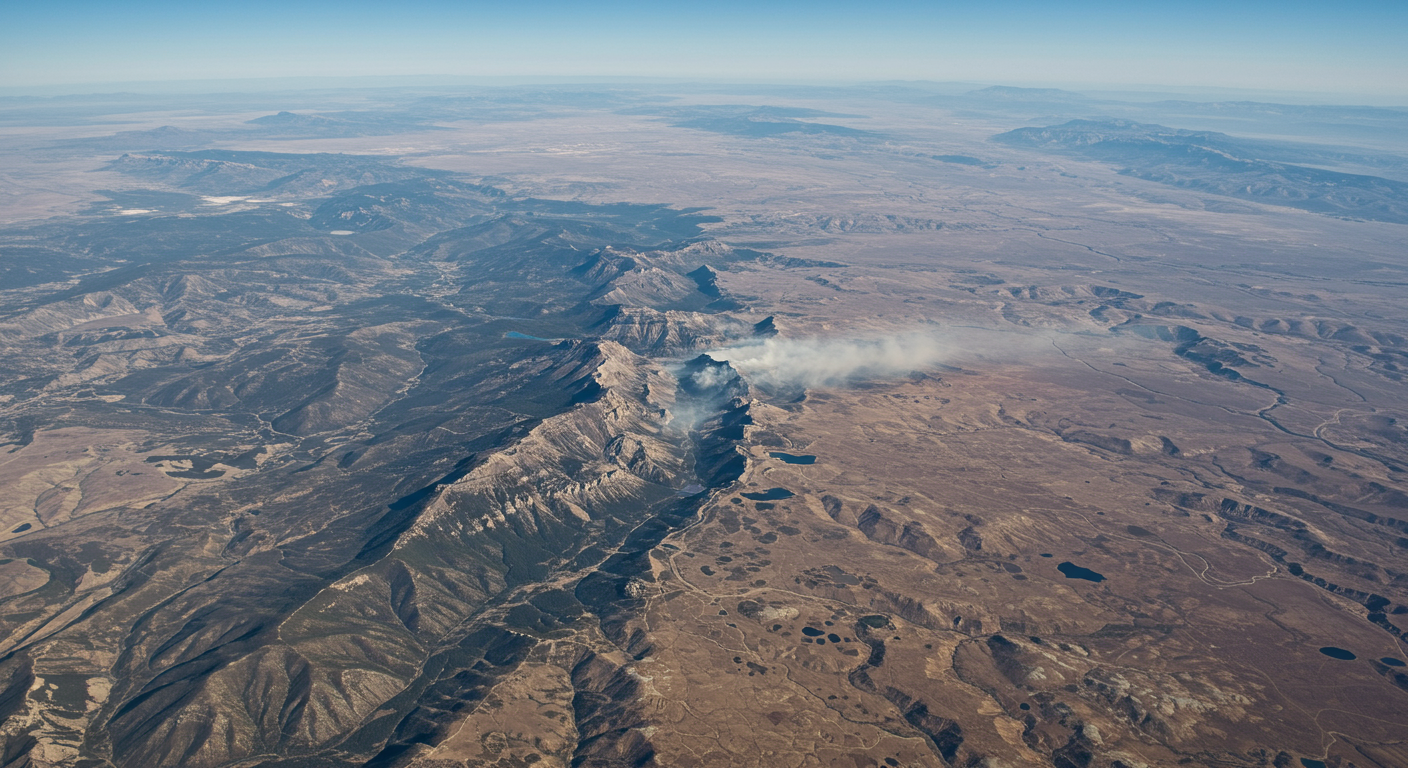
A hotter, drier planet is fundamentally reshaping the behavior of wildfires, transforming them into larger, more frequent, and more destructive events that threaten communities and ecosystems on a global scale. Human-driven climate change is no longer a future risk but a present-day accelerant, creating conditions ripe for fires that burn with an intensity and speed previously considered rare. Recent data underscores a stark new reality, with millions of square miles burning annually, impacting hundreds of millions of people and causing hundreds of billions of dollars in damage.
The science connecting warming temperatures to worsening fires is clear and established. Increased greenhouse gases in the atmosphere trap heat, leading to longer and more intense heatwaves. This sustained warmth draws moisture from soil and vegetation, creating vast landscapes of tinder-dry fuel. Compounded by shifting precipitation patterns and stronger winds, these conditions allow fires to ignite more easily, spread faster, and grow to sizes that overwhelm traditional firefighting capabilities. An international assessment recently confirmed this trend, concluding that recent catastrophic fires in both North and South America were significantly more likely and destructive because of climate change.
The Mechanics of Climate-Fueled Fires
The intensification of modern wildfires is rooted in basic atmospheric physics. As global temperatures rise, the air’s capacity to hold moisture increases, creating a “thirstier” atmosphere. This phenomenon, which scientists refer to as a higher vapor pressure deficit, effectively pulls water out of plants, trees, and the ground, leaving them highly flammable. This process is a direct consequence of warming and is a primary driver behind the surge in extreme fire risk, particularly in regions already prone to dry conditions.
Drier Landscapes and Abundant Fuel
Prolonged droughts and earlier snowmelts, both linked to climate change, mean that fire seasons are starting earlier and lasting longer. In California, for example, a record 129 million dead trees were documented by the end of 2017 following a period of severe and warm droughts, creating an enormous stockpile of fuel. This increase in dead, dry vegetation serves as potent kindling. When a fire starts, whether by natural causes or human activity, it has access to more fuel than ever before, allowing it to burn hotter and longer. Research has shown that the frequency of extreme wildfire weather conditions during autumn in California has more than doubled in the last four decades.
Wind’s Role in Amplifying Destruction
Heat and dry fuel are only part of the equation. Climate change is also altering wind patterns, leading to stronger and more erratic gusts that can turn a manageable fire into an unstoppable inferno. High winds fan flames, pushing them across large areas with terrifying speed, and carry burning embers for miles, sparking new blazes far ahead of the main fire front. This process has become a key factor in fires encroaching on urban and suburban areas, as seen in the catastrophic Los Angeles wildfires where winds gusted up to 100 mph. What were once isolated wildland events are now increasingly becoming urban disasters that destroy entire communities.
A Global Pattern of Destruction
The surge in destructive wildfires is not confined to one region but is a worldwide phenomenon. A recent report from an international team of climate experts highlighted several stark examples. In January, wildfires in Los Angeles were determined to be twice as likely and 25 times larger in terms of burned area than they would have been without the influence of human-caused global warming. During the same period, fires in the Pantanal-Chiquitano region of South America were an astonishing 35 times larger, while record-setting blazes also struck the Amazon and the Congo.
This pattern is consistent with other recent disasters. The 2020 bushfires in Australia burned over 18 million hectares, destroying thousands of homes and killing or displacing an estimated 3 billion animals. In the summer of 2023, record-breaking heatwaves in Europe fueled unprecedented wildfires in Greece, Spain, and Italy, forcing mass evacuations. These events collectively paint a picture of a planet where extreme fires are becoming the norm, driven by a universally changing climate.
The Widespread Consequences of Megafires
The impacts of these climate-driven wildfires extend far beyond the charred landscapes, creating cascading effects on human health, economies, and the environment. Globally, the 2024–25 fire season affected 100 million people and destroyed homes and infrastructure valued at $215 billion. The fires also released over eight billion tonnes of carbon dioxide into the atmosphere, further exacerbating the climate crisis in a dangerous feedback loop.
Human and Economic Costs
The direct threat to lives and property is the most immediate consequence. The Los Angeles wildfires serve as a grim case study, resulting in 30 deaths and forcing 150,000 people to evacuate. The fires destroyed at least 11,500 homes and caused an estimated $140 billion in damage. For families in these fire-prone regions, the loss of homes, businesses, and livelihoods is a devastating blow, and the process of rebuilding communities can take years.
Ecological Devastation and Air Quality
Beyond the human toll, megafires inflict staggering damage on ecosystems. When forests burn, the plants and animals that rely on those habitats are often wiped out, leading to a significant loss of biodiversity. Furthermore, the immense plumes of smoke released by these fires create serious public health crises, even hundreds of miles away. This toxic smoke can cause both short-term and long-term respiratory problems and other health issues, while post-fire “sick homes” can pose lasting harm to residents returning to affected areas.
A New and Dangerous Fire Reality
Experts warn that the world is witnessing a fundamental shift in fire behavior. The combination of prolonged drought, extreme heat, and plentiful fuel has created perfect conditions for megafires. According to Fiona Spuler of the University of Reading’s Department of Meteorology, extreme fire seasons that were once seen only once in a generation could become routine within a few decades. This projection underscores the urgent need for action to curb greenhouse gas emissions and slow global temperature rise. Without significant intervention, frontline communities will continue to face the escalating consequences of this new and dangerous fire regime.
