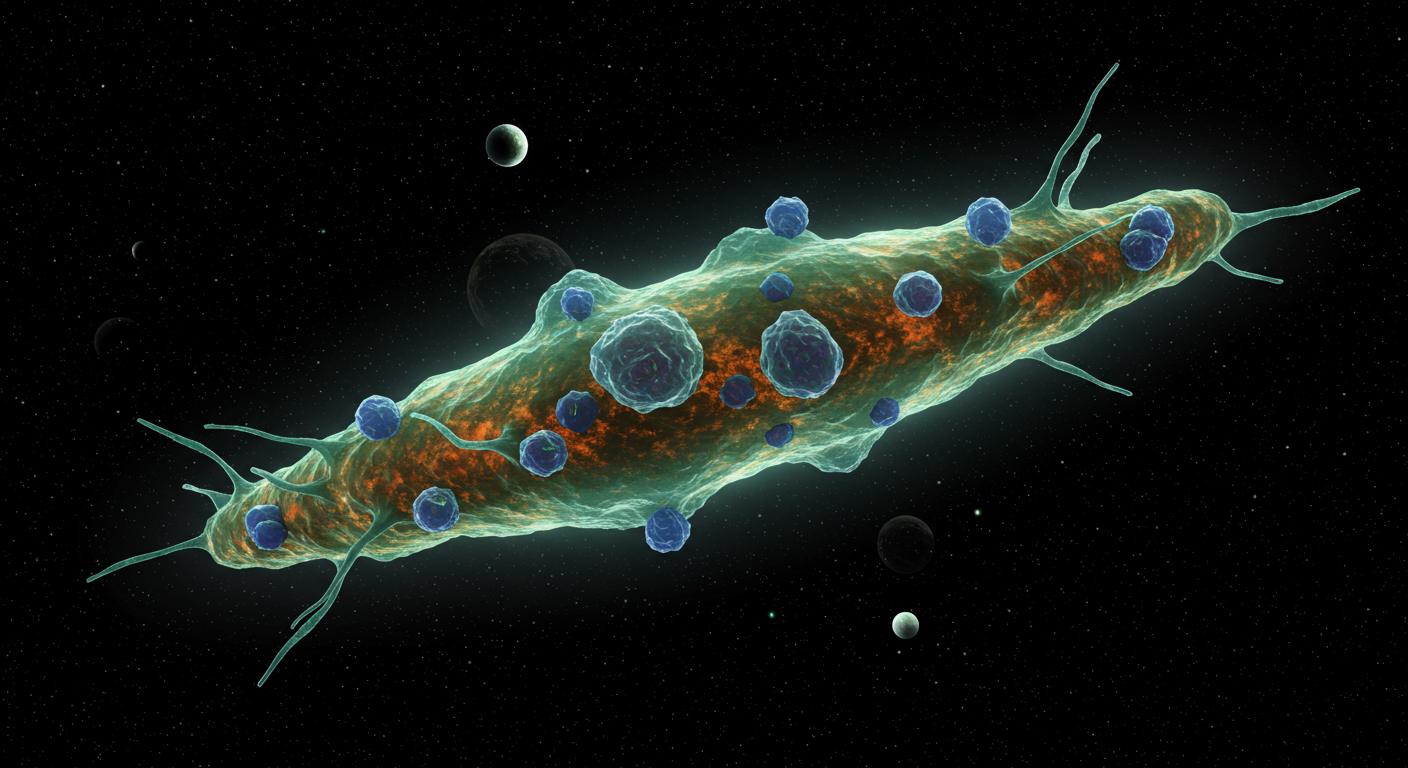
A new form of cannabidiol, or CBD, encapsulated in tiny, water-soluble spheres, has been shown to provide significant pain relief in animal studies without the adverse side effects typically associated with cannabinoids or opioid painkillers. This nanotechnology enhances the delivery of CBD to the brain, offering a promising new avenue for treating chronic pain and other neurological disorders by calming overactive nerve circuits.
The primary challenge in using CBD for neurological conditions is its poor water solubility and difficulty in crossing the blood-brain barrier, a protective shield that limits which substances can enter the central nervous system. As a result, very little CBD reaches the brain when taken in its common oil form. To overcome this, researchers developed a delivery mechanism that encases CBD molecules within nanomicelles, creating a formulation called CBD-IN. These microscopic, water-soluble spheres are considered safe for use in food and drugs and can effectively transport CBD to its target.
Enhanced Delivery Across the Blood-Brain Barrier
The core innovation lies in its ability to solve a long-standing delivery problem. The blood-brain barrier is essential for protecting the brain from pathogens and toxins, but it also blocks many potentially therapeutic compounds. Nanotechnology offers a solution by creating carriers that can ferry drugs across this barrier. The encapsulation process not only improves the solubility of CBD but also enhances its stability and allows for a sustained release of the compound. This ensures that a higher concentration of the drug reaches the targeted areas in the brain and nervous system, increasing its therapeutic effectiveness compared to conventional CBD oil. Studies on various nanocarriers have confirmed their ability to improve the bioavailability of cannabinoids for treating central nervous system disorders.
Effective and Sustained Pain Relief
In preclinical trials involving mice, the nano-encapsulated CBD-IN formulation demonstrated remarkable efficacy. When administered, it provided pain relief within 30 minutes. Researchers observed that the treatment calmed overactive nerve circuits in regions of the brain and spinal cord responsible for touch sensitivity, which is often heightened in chronic pain conditions. This calming effect was specific to areas with abnormal nerve activation, such as those resulting from a nerve injury, and did not impact healthy neurons. The pain-relieving effect was also shown to be durable, continuing to work through repeated use without any signs of tolerance or diminishing effectiveness over time, a common issue with many traditional pain medications.
Absence of Adverse Side Effects
A key finding from the research was the lack of common adverse side effects. Mice treated with CBD-IN did not exhibit loss of movement, impaired balance, or memory deficits. These side effects are often associated with other pain drugs, including opioids and even THC, the psychoactive component of cannabis. The targeted action of nano-encapsulated CBD appears to avoid the widespread neurological effects that cause these issues. The formulation offers a safer profile, free from the high or dependency risk associated with traditional cannabis-based treatments.
A Surprising Neurological Pathway
Researchers were surprised to discover that the pain-relieving mechanism of CBD-IN did not involve the cannabinoid receptors CB1 and CB2. These receptors are the primary targets for THC and many other cannabis compounds. Instead, the nano-encapsulated CBD appears to influence broader electrical and calcium signaling within nerve cells. This finding suggests a new way to control nerve hyperactivity that sidesteps the pathways that can lead to psychoactive effects or drug dependency. By modulating these fundamental signaling processes, the treatment can selectively reduce the abnormal nerve activity that causes pain without disturbing normal brain function.
Broader Therapeutic Potential
The success of this nanotechnology extends beyond pain management, opening new possibilities for treating other neurological disorders characterized by abnormal nerve activity. The ability to precisely deliver a calming agent to overactive neural circuits could be beneficial for conditions such as epilepsy or neurodegenerative diseases. By making natural compounds like CBD more effective and targeted, this nano-encapsulation strategy could lead to a new class of treatments for a range of challenging medical conditions. Further research continues to explore the potential of various cannabinoid nanodelivery systems for disorders including Alzheimer’s disease and multiple sclerosis. While many studies show promise, it is important to note that some research on traditional CBD formulations has yielded mixed results regarding pain relief. This highlights the significance of advanced delivery systems in unlocking the compound’s full therapeutic potential.