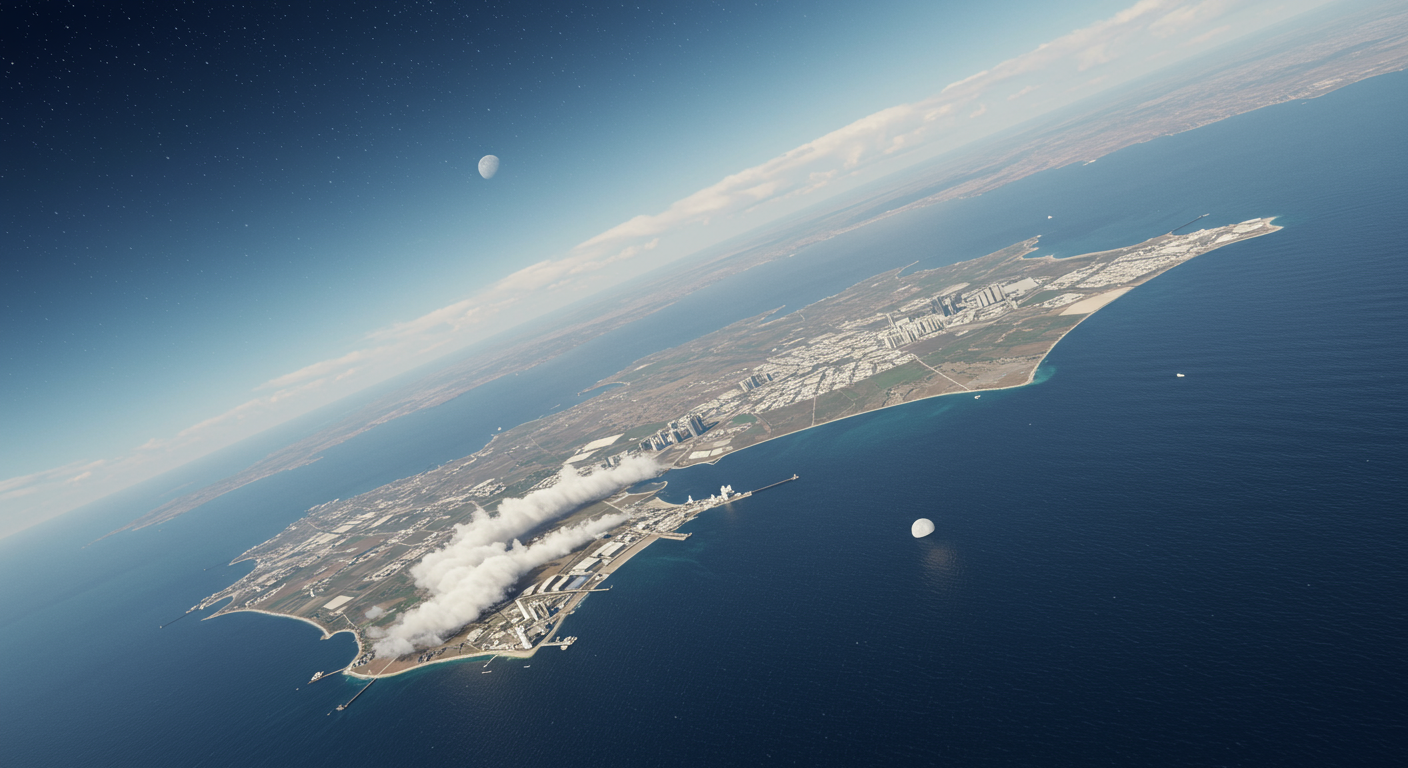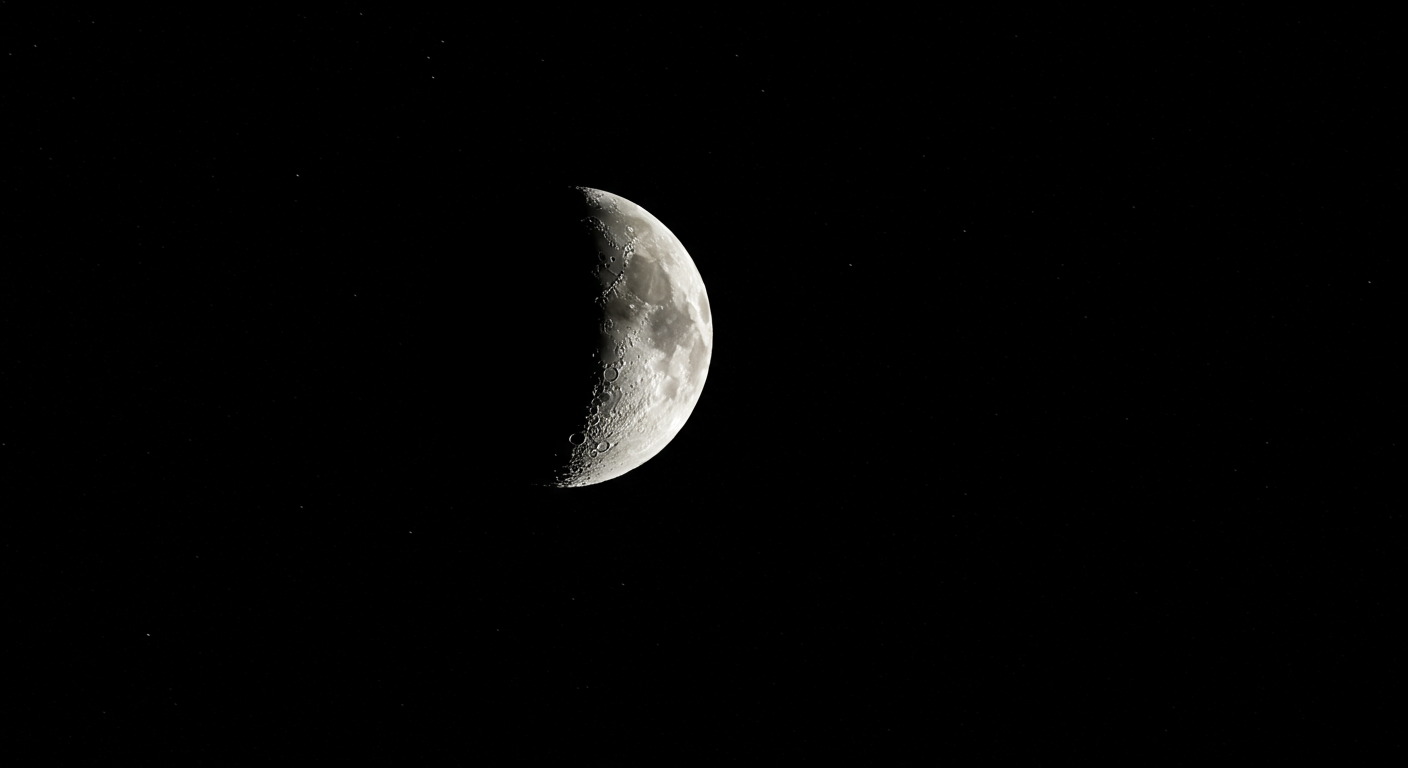
Skywatchers are preparing for a significant celestial event this week as the full moon makes its closest approach to Earth for the year, creating the largest and most brilliant supermoon of 2025. The full moon will reach its peak illumination on the morning of Wednesday, Nov. 5, appearing visibly brighter and larger than any other full moon this year. This event offers a prime opportunity for observers to witness the magnified lunar display.
This phenomenon, known as a supermoon, occurs when a full moon coincides with its perigee—the point in its elliptical orbit where it is nearest to Earth. For this November event, the moon will be approximately 221,817 miles from our planet. Because of this proximity, the supermoon will appear about 7% larger and 16% brighter than a typical full moon. When compared to a micromoon—a full moon at its farthest point, or apogee—the difference is more stark, with the supermoon appearing up to 14% larger in diameter and 30% brighter.
What Defines a Supermoon
The term supermoon describes a full moon that occurs when it is at or near its closest orbital point to Earth. The moon’s orbit is not a perfect circle but an ellipse, meaning its distance from Earth varies throughout its 27.3-day journey. The closest point is called perigee, and the farthest is apogee. When a full moon aligns with perigee, it is designated a supermoon, or more technically, a perigee-syzygy.
The term “supermoon” itself is not an official astronomical designation. It was coined in 1979 by astrologer Richard Nolle, who defined it as a new or full moon that occurs when the moon is within 90% of its closest approach to Earth. While the term originated in astrology, it has been widely adopted by popular culture and media to describe these events. Due to the lack of a single, official definition, different organizations may use slightly different criteria, but all agree that it refers to a full moon happening near its perigee.
Optimal Viewing Times and Locations
The moon will officially reach its peak fullness at 8:19 a.m. Eastern Standard Time on Wednesday, Nov. 5, 2025. For observers in North America, the moon will be below the horizon at that specific moment. Therefore, the best times for viewing will be the evening of Tuesday, Nov. 4, and the evening of Wednesday, Nov. 5. The moon will appear nearly full for about a week, from Nov. 3 to Nov. 8, providing a wide window for observation.
For the most dramatic view, experts recommend watching the moon as it rises above the eastern horizon shortly after sunset. At this time, an optical effect known as the “moon illusion” can make the celestial body appear enormous, especially when juxtaposed with buildings, trees, or other objects in the foreground. The rising moon may also take on a golden or orange hue. To get the best experience, find a location with a clear, unobstructed view of the eastern horizon, such as an open field or elevated area.
The Beaver Moon Tradition
November’s full moon carries the traditional name of the Beaver Moon, a title rooted in both Native American and colonial American traditions. The name is believed to have multiple origins. One theory is that it signifies the time of year when beavers are most active, working under the moonlight to build their winter dams before the water freezes. Another explanation connects the name to the fur trade; November was historically the month when traders would set traps to acquire the beavers’ thick winter pelts.
This full moon is also known by other names from different cultures, including the Frost Moon and the Freezing Moon, which highlight the transition to colder weather. Some sources refer to it as the Hunter’s Moon, although that name is more commonly associated with the October full moon.
Astronomical Context and Effects
This November supermoon is the second of three consecutive supermoons occurring in the fall of 2025 and is the closest of the trio. The moon’s close proximity to Earth has a tangible, though minor, effect on the planet. The combined gravitational pull of the moon and sun creates tides, and during a supermoon, this pull is slightly stronger. This results in what is known as a perigean spring tide, causing tides to be a bit higher and lower than usual. However, astronomers note that the difference is generally not significant and poses no cause for alarm.
Some historical claims have tried to link supermoons to an increased risk of natural disasters like earthquakes or volcanic eruptions, but scientific analysis has found no such correlation. The primary impact of a supermoon remains its stunning visual appearance in the night sky. Following this event, the next full moon will be the Cold Moon in December, which will also be a supermoon, though slightly smaller and farther away than November’s. The moon will not come this close to Earth again until late 2026.