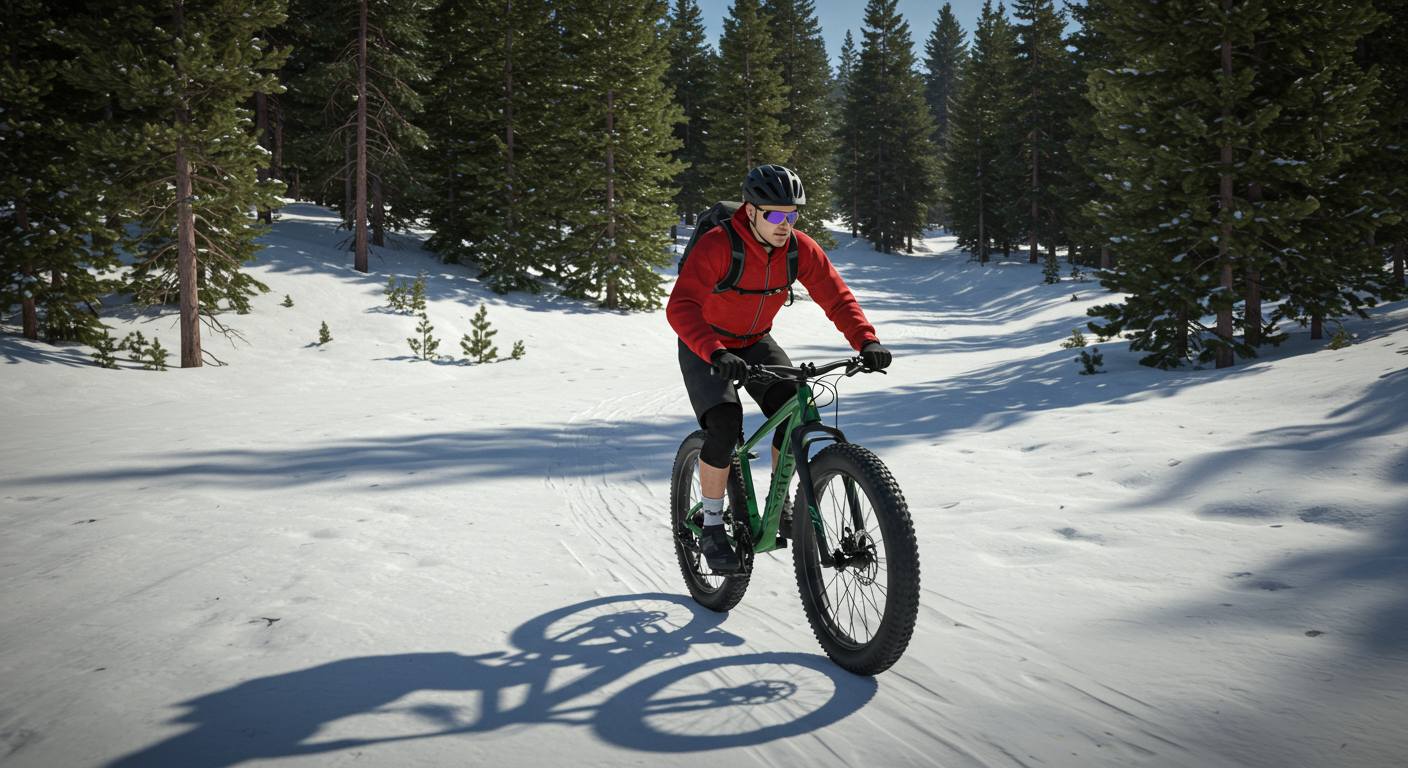
The burgeoning winter sport of fat biking, which uses wide tires to float over snow, is facing a precarious future. A pair of compounding threats—the increasing unpredictability of winter weather and the exhaustion of the very people who maintain the trails—is creating a crisis for a recreational activity that has become a vital economic driver for many cold-weather communities. Without intervention, the trail systems that support the sport could see significant degradation.
New research reveals that the dual pressures of climate disruption and a heavy reliance on a small, aging volunteer base are jeopardizing the sustainability of fat bike trails across North America and Nordic countries. A collaborative study between the University of Eastern Finland and Lakehead University in Canada highlights a growing disconnect between the riders who use the trails and the unpaid stewards who groom them. As erratic weather makes trail maintenance more laborious, the pool of volunteers is struggling to keep up, posing a critical threat to the infrastructure that underpins the sport.
An Increasingly Unpredictable Winter Canvas
The fundamental challenge emerging for fat biking is the deterioration of winter itself. Shorter, warmer winters mean less consistent snow and fewer days of suitable riding conditions. Climate change is not simply reducing the amount of snow in many regions; it is also changing its quality and consistency. Instead of cold, dry powder, trail networks are increasingly subjected to heavy, wet snow, followed by periods of thawing and sudden freezes. This creates a difficult cycle for trail groomers, where a massive snowfall requiring days of packing can be ruined by subsequent rain, turning pristine trails into slush, mud, or treacherous ice.
These unpredictable weather patterns place immense logistical and labor demands on the people responsible for trail management. The phenomenon known as “snow drought” means that even when significant snow does fall, it may not last, making it hard to justify the major investment in time and equipment for grooming. In states like Colorado, one of the fastest-warming in the U.S., declining spring snowpack and rising average temperatures are shortening the entire winter recreation season, affecting not only fat biking but also skiing and snowmobiling. This environmental shift forms the difficult backdrop against which the human element of the crisis is unfolding.
The Labor of Love Behind the Trails
The vast majority of fat bike trail systems in North America do not maintain themselves; they are the product of immense effort by outdoor recreation voluntary associations, or ORVAs. These community-driven groups are responsible for everything from initial trail design and construction to the year-round upkeep required to keep them safe and rideable. In warmer months, this involves clearing brush, improving drainage to prevent erosion, and maintaining signage. Volunteers use hand tools like shovels and pulaskis to build and repair water diversion structures and ensure culverts are clear of debris.
In winter, this work transforms into the highly specialized task of grooming. After a fresh snowfall, volunteers often work in teams to pack down the snow, creating a firm, rideable surface. This can be a physically demanding, multi-day process, often done in harsh conditions. It is this consistent, often invisible, labor that allows the sport to thrive and fuels local tourism economies in winter towns. However, the model is predicated on a steady supply of willing and able volunteers, an assumption that is now being severely tested.
A Widening Gap Between Riders and Stewards
While the popularity of fat biking continues to surge, the number of people willing to contribute to trail maintenance is not keeping pace. The study published in the Journal of Outdoor Recreation and Tourism uncovered a stark gap: while riders deeply appreciate the efforts of trail crews, more than 40% of fat bikers surveyed indicated they were unlikely to volunteer themselves. This discrepancy between consumption and contribution places a growing burden on a shrinking core of dedicated individuals.
The consequences of this volunteer gap are significant. As demand for high-quality trails grows, the existing volunteers must commit more time and energy. This is especially true during winters with heavy or erratic snowfall, which require more intensive grooming. Volunteers interviewed for the study reported increasing strain, pressure, and a feeling of being overwhelmed by the scale of the work required. The lack of effective volunteer recruitment and retention strategies within many ORVAs exacerbates the problem, leading directly to burnout among the most committed members.
The Compounding Pressure of Burnout
Volunteer burnout is the critical point where the challenges of climate change and manpower shortages intersect. The increasing unpredictability of the weather not only creates more work but also makes that work feel less rewarding. A team of volunteers might spend dozens of hours grooming a trail system to perfection, only to have a sudden warm spell or rainstorm render it unrideable just days later. This cycle of intense effort followed by environmental undoing is a significant driver of fatigue and disillusionment.
Professor Harvey Lemelin of Lakehead University, a researcher involved in the study, noted that unpredictable weather events strain volunteer resources and directly contribute to burnout. The cumulative pressure intensifies as fewer people are left to manage ever-larger and more complex trail networks demanded by a growing user base. Without a way to systematically broaden the volunteer base, the existing system, which forms the central pillar of the winter recreation infrastructure, risks being overwhelmed by the sheer weight of these compounding challenges.
Strategies for a Sustainable Future
To ensure the long-term health of fat biking, experts argue that ORVAs must move toward more proactive and strategic management. The study calls for the development of robust seasonal plans for trail grooming, alongside targeted strategies for volunteer recruitment, management, and retention. Simply hoping for more volunteers is no longer a viable approach; organizations must actively cultivate and support them.
Among the proposed solutions is a more collaborative approach to hosting events. By rotating co-hosting duties for races and festivals among different regional clubs, the workload can be distributed, reducing the strain on any single group of volunteers. Researchers also suggest creating binational or biannual events to showcase trails across wider areas while easing the burden on local crews. Furthermore, implementing formal volunteer recognition programs and creating clear succession plans can help strengthen the long-term sustainability of these essential organizations. These steps are vital to guaranteeing that the trails will remain safe, well-maintained, and accessible for years to come.